Graphics Cards and Virtual Reality: The Best Graphics Cards for VR

The fun of VR gaming is in its first-person view and each player’s ability of controlling the virtual world. Contrary to traditional video games in which the view is usually either from behind or slightly above the player’s avatar VR players often experience the action directly through the perspective of their character’s eyes.
The unique view and playability is made possible with the most advanced VR headsets or goggles which make up the majority of VR gameplay experience. To add additional input or control, a range of accessories can be utilized to translate the player’s actual actions into screen-based action.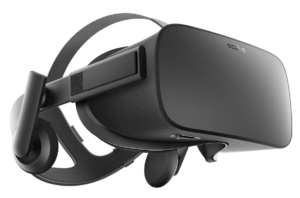
More and more companies are using new VR technology in their products. Nvidia has announced Real-Time Tracing and DLSS in their RTX series of graphics cards, which provide an experience that is more enjoyable than previously. Like this, VR is transforming the gaming industry and pushing it to an even higher level.
Although there aren’t many VR games to play, there are plenty of VR ready graphics cards to choose from, and the variety increases year on year. If you’ve not been in VR before, this technology transports you to a 3D world that provides an immersive and real-life simulation experience like nothing you’ve previously experienced prior to gaming. VR requires high-end, compatible hardware to function, and it is taking good care of this.
The best graphics cards that can run in VR.
The list will change in no time; however, there are some points you must be aware of before purchasing any graphics card. VR requires two displays to function as one display for each eye. They also have extremely low input lags as well as extremely high rates of refresh, which means you will require a premium VR video card.
One of the major problems with VR’s technology is the ability to deliver content with a sufficient frame rate that it can “trick” the user into believing that they are experiencing the world outside. Research has proven that in real-life the VR system that produces frame rates lower than 90 frames per second (FPS) can cause nausea, disorientation, as well as other negative user effects. Lower the frame rates, the greater the negative effects.
The requirements at minimum for VR Gaming are at the very least a GTX 970 or an AMD R9 390, and you may also require an Intel Core i5 4th generation processor to run VR. All of the graphics cards listed here are VR compatible, so you can enjoy immersive gaming by using these cards.
They are ideal for VR gaming because they’re VR-ready by the manufacturer and provide high value for money. We’ve done the proper analysis and found them superior to other GPUs and their counterparts. So, before you waste your time, let’s get started with the first graphics card.
Since the first teasers of Oculus Rift, especially the teasers for the Oculus Rift device, the vision of a stunning virtual reality experience seemed like it was coming real. While it’s still a relatively new technology, the experience differs across different platforms because every player is unique in its design. To ensure that you enjoy the most enjoyment, we decided to help you select the right VR video card.
Because VR gaming needs a robust PC, let’s get started by examining the minimum GPU requirements for the top VR headsets, such as VR headsets like the Oculus Rift, HTC VIVE, and Valve Index.
You may be looking for a less expensive option, so in that case, have a look at the list of the cheapest vr ready graphics card and compare them with the more expensive options to see which one is right for you.
VR graphics cards that are minimum
The Best Graphics Cards for VR
In the case of Oculus Rift S Oculus Rift Sheadset, HTC suggests at a minimum Nvidia GeForce GTX 1050 Ti, Nvidia GeForce GTX 960 4GB, AMD Radeon 290, and AMD Radeon 470 or higher. With the VIVE headset, HTC recommends at least an Nvidia GTX 970 or AMD R9 290 or better. For this Index, Valve recommends an Nvidia GeForce GTX 970, AMD Radeon RX 480 or higher.
While these cards are able to open the doors to VR for some gamers, they won’t necessarily provide the experience you expect. Performance is essential for the enjoyment of games however, it is more essential in a VR game. To play VR gaming, computers require extremely high frame rates in order to allow gaming with a headset to feel more comfortable and reduce the risk of developing motion sickness.
Luckily, each headset’s manufacturer’s and game’s product page has recommended settings for hardware.
Which Graphics Cards Work with VR
VR graphics cards are recommended.
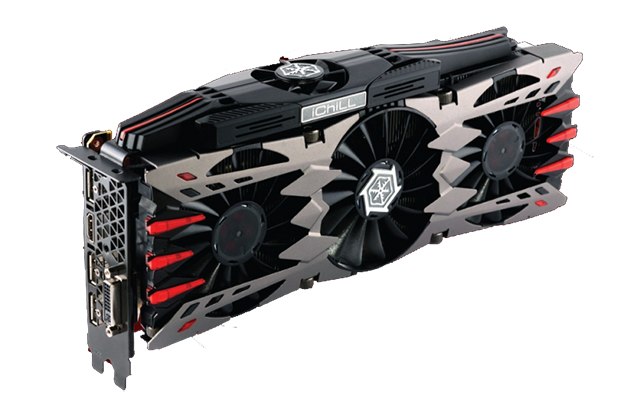
To use: Those who own the Oculus Rift, HTC recommends Nvidia GeForce 970, Nvidia GeForceGTX 1060, AMD Radeon R9 290 as well AMD Radeon RX 480 or better. For VIVE headsets, HTC recommends Nvidia GeForce GTX 1060 or AMD Radeon RX 480 or higher. In addition, for an index called the Valve Index, the company suggests using an Nvidia GeForce GTX 1070 or higher.
Although they are not the most recommended graphics cards from the respective manufacturer, VR titles have continued to develop and grow over time. The initial batch of VR games were primarily tech demonstrations of the latest hardware, and game developers were learning to create titles that allowed for free motion. Today, AAA games are being developed specifically for VR games, like Valve’s Half-Life: Alyx, which requires at minimum the GTX 1060 from Nvidia and AMD Radeon 580 6GB.
When choosing the best VR graphics card, please start with the headset’s recommended specifications as your base and look for a card that is more powerful than it one, like the Nvidia GTX 1080 or an equivalent card. To get the best VR game experience check out our top choices for GPUs to use in VR right here.
Conclusion:
As the VR industry continues to grow, so too does the number of companies investing in this cutting-edge technology. One of the most recent to do so is Nvidia, who has announced the addition of Real-Time Tracing and DLSS to their RTX series of graphics cards. These new features provide a more enjoyable VR experience than ever before, making Nvidia one of the leading providers of VR-ready hardware. With such a commitment to VR, it’s clear that Nvidia sees this as the future of gaming. And they’re not alone; an increasing number of game developers are creating VR titles that are pushing the boundaries of what is possible in this immersive medium. Although there aren’t many VR games on the market at present, there is a growing selection of VR-ready graphics cards to choose from, ensuring that gamers can enjoy this cutting-edge technology now and into the future.
The Best Graphics Cards for VR, PoGamer