
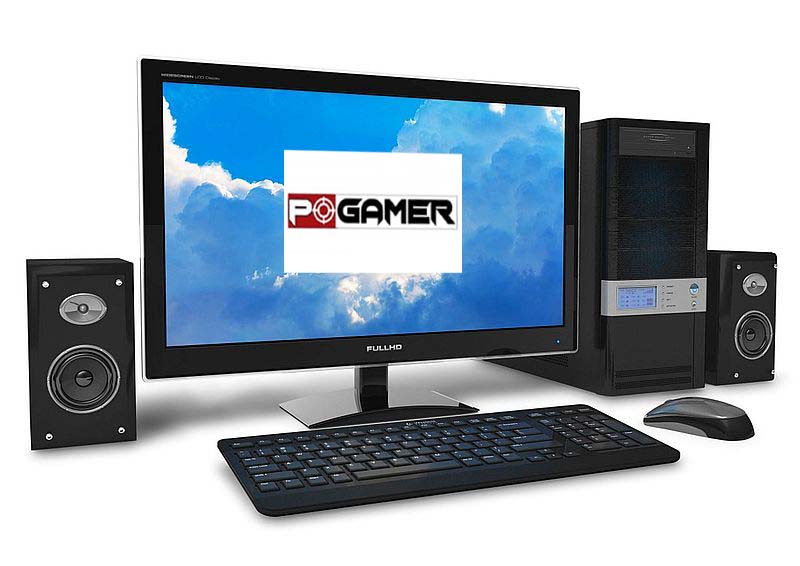
PC for gaming specs: Finding the correct specifications for a gaming computer depends on your specific situation: your budget, the types of games you like, whether you want to play with normal or advanced settings, and the layout.
No matter which components you choose, they all need to work in unison for the perfect experience. Compatible components help you avoid repetitions and lag times while optimizing your cooling strategy.
Consider your overall budget when selecting components. Stick to your budget to get a system with compatible components for the best possible gaming experience. You can’t buy a piece of hardware at the most advanced level and skimp on the rest later; this will only cause lower-level components to limit performance.
If you want to run games in 4K, always choose the more advanced specs unless otherwise noted.
CPU / Processor
PC for gaming specs: Most games require a multi-threaded workload, which means a multi-core processor. But don’t be alarmed, you don’t need more than four cores. If you are on a tight budget and don’t run your games with the most advanced settings, two cores will suffice.
For high definition, you will need at least a pc for gaming specs. Modern processors are classified as i7 or i5; the i7 is the most powerful.
If you are attempting to overclock your rig, it is important to remember that there will be an increase not only in power consumption but also in the core temperature of the computer. Be sure to take both into account when selecting an additional power supply and cooling systems. However, before taking any steps, you must first make sure that the CPU you have or want to buy supports overclocking, as all processors must be supplemented with a motherboard that supports overclocking.
If you don’t enable overclocking, the fans above the processor should work fine. Learn more about keeping your computer cool.
Motherboard
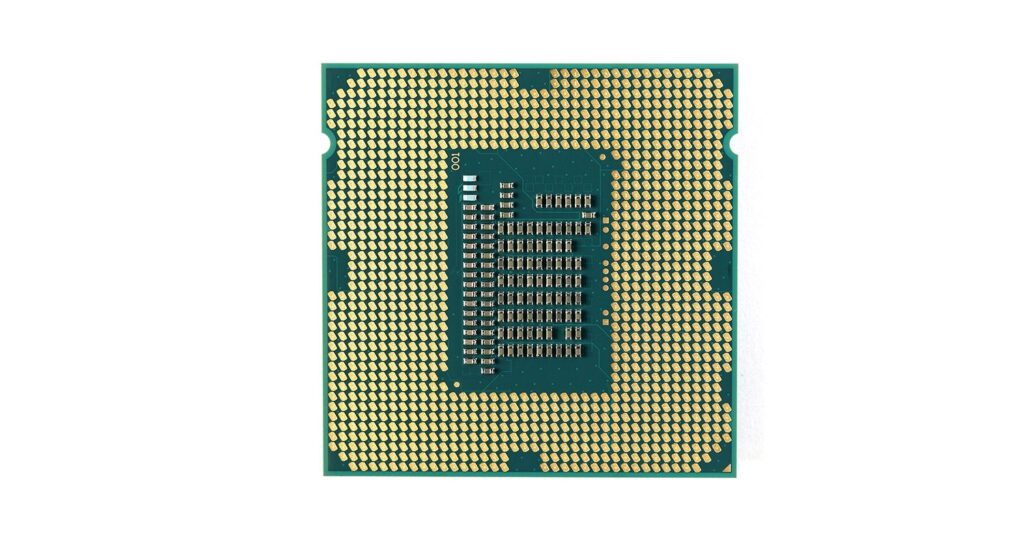
The types of receptacles must be compatible between the motherboard and the CPU. For RAM, the type, speed, capacity, size, and the number of RAM slots should work with the motherboard and computer case you want to use. Pay attention to the number of expansion slots and USB ports there are and make sure they meet your needs. Almost all motherboards include a LAN connection, but if you want a wireless connection, you will need a port for the wireless adapter. However, some high-end motherboards already incorporate the wireless device.
There are special factors to consider if you plan to use dual graphics cards. First, your motherboard must support SLI ™ (for NVIDIA ® cards ) or Crossfire (for AMD Crossfire ™ cards) for both graphics cards to work. Setting up two graphics cards to work on the same machine is no easy task, and without the correct drivers and software, the task becomes virtually impossible. Two graphics cards will consume considerably more power and produce more heat and noise, so consider how this will affect the cooling and overall aesthetics of your computer.
Most of the sound cards that come pre-installed on the motherboard are more than adequate; you will rarely need an additional sound card for games.
RAM
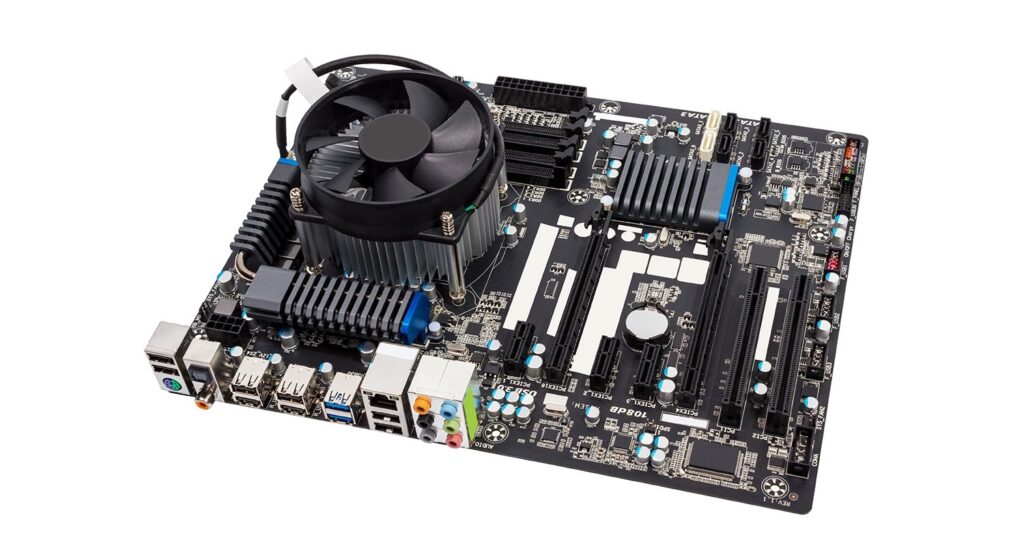
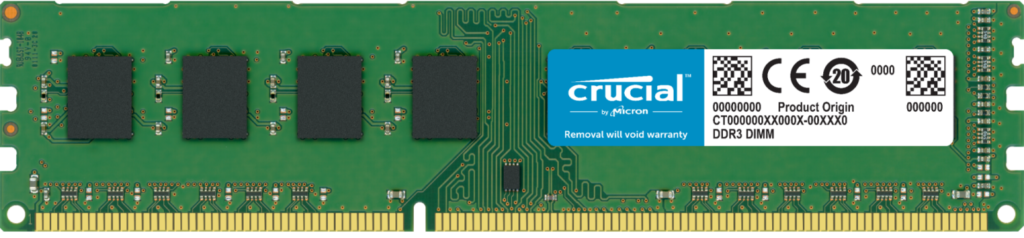
RAM is available in different types, which must match the requirements of the motherboard. Most modern motherboards use DDR3 or DDR4. The design of each differs markedly so that the wrong RAM cannot be accidentally installed on a motherboard. The two types of memory are physically different.
Depending on the number of RAM slots on the motherboard, your ability to add memory may be limited. For games, 16GB is usually sufficient. However, if you want to multitask, run other virtual machines, or do any other intensive task, you may want to install 32GB.
Storage drive (HDD / SSD)
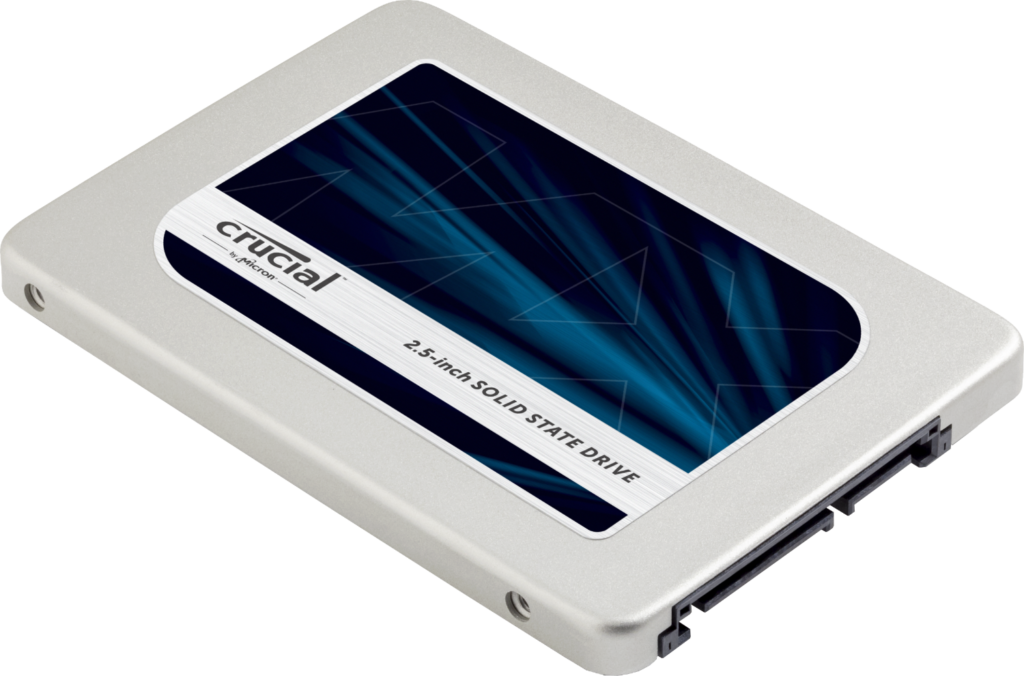
You can choose between a traditional hard drive or a solid-state drive to store your data. If you choose an HDD, you will need 7200 rotations per minute and a cache of 8MB or 16MB for games. The ATA, PATA or SATA interface must match the one installed on the motherboard. Typically 250GB to 500GB is a reasonable storage space for games. Opt for well-known brands. You get what you pay for, so choosing a very cheap HDD could give you problems down the road.
If you want lower read / write latency times and faster game load, you will need to consider an SSD. Again, the interface consists of the most popular ATA, PATA, and SATA ports, and these will need to match what your motherboard already offers. SSDs are more expensive than HDDs, so keep your budget in mind.
Since the video card is the one in charge of rendering the graphics for the games, you will want a solution that displays the graphics according to the display settings you have selected. Your video card should have 2GB to 4GB of dedicated memory and continuously deliver 30 to 60 fps (frames per second) at a minimum to avoid steep frame lag. For virtual reality (VR) games you will need a video card that can deliver 90 fps to avoid frame-repetition dizziness.
Although this amount may be somewhat lower depending on the size and refresh time of your monitor, 4GB is the minimum for 1080p displays.
You are also interested in having DirectX compatibility to avoid future problems and automated graphics quality benchmarks. Make sure the video card you select has a DVI output (if your monitor also supports DVI), as this output has higher definition. If you want to connect your computer to a TV, you will also need an HDMI connection (HDMI 2.0 for 4K). If you want dual monitors, you will need a graphics card that includes multiple HDMI, DVI, or VGA video outputs. And of course, make sure your power supply meets the card’s power needs. As an additional consideration, confirm that the video card form factor fits the chassis you have selected.
To play in high definition you will need a real speed (“core clock”) of 600 MHz. For 4K games, you should consider the benefits of using two graphics cards together (SLI / Crossfire), although this is already advanced terrain.

Case
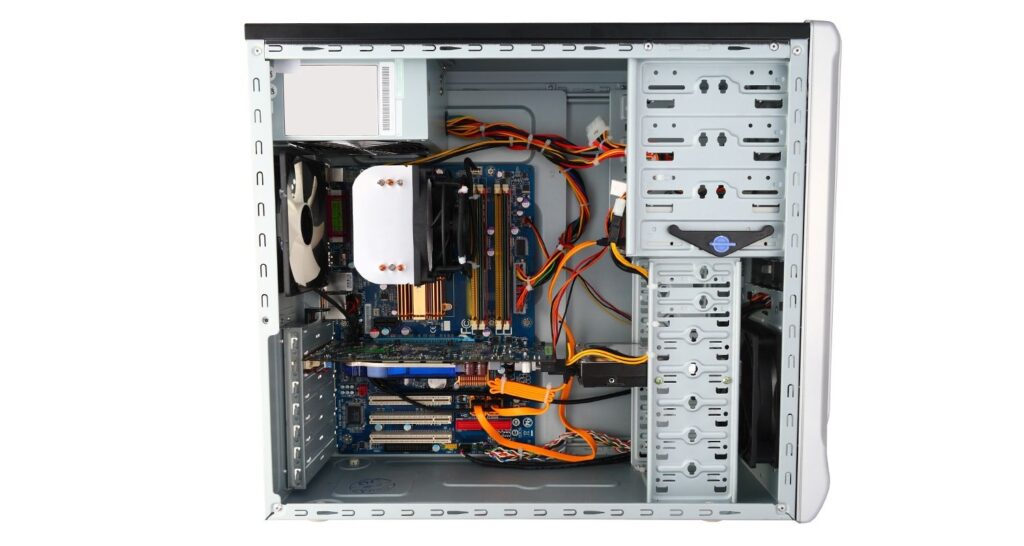
The case is where you can really have fun, although there are some practicalities to consider first. You should consider a case that houses and is compatible with your other components. Most components also have slots that they must fit into, so your computer case should have enough of these slots for the components to fit inside with plenty of room for air to flow through. The two most common sizes are the medium tower (smallest) and the full tower. If space is a major constraint, you should try to fit your components into a medium tower.
In addition to physically fitting all components, cooling must also be considered. The housing design also affects airflow. If you’re installing mostly standard components and aren’t planning to overclock, the heatsink fans should work fine. If you have selected components that generate more heat, you will need to consider purchasing additional fans or even a liquid cooling system.
Lastly, you might consider things like LED lighting, windows, cool form factors, and unique colors. This is where you can really customize your platform and get the design you want. Cable management is part of both your computer’s design and cooling. Cables can restrict or modify the airflow of the computer, as well as add or detract from the final design.
Power supply (PSU)
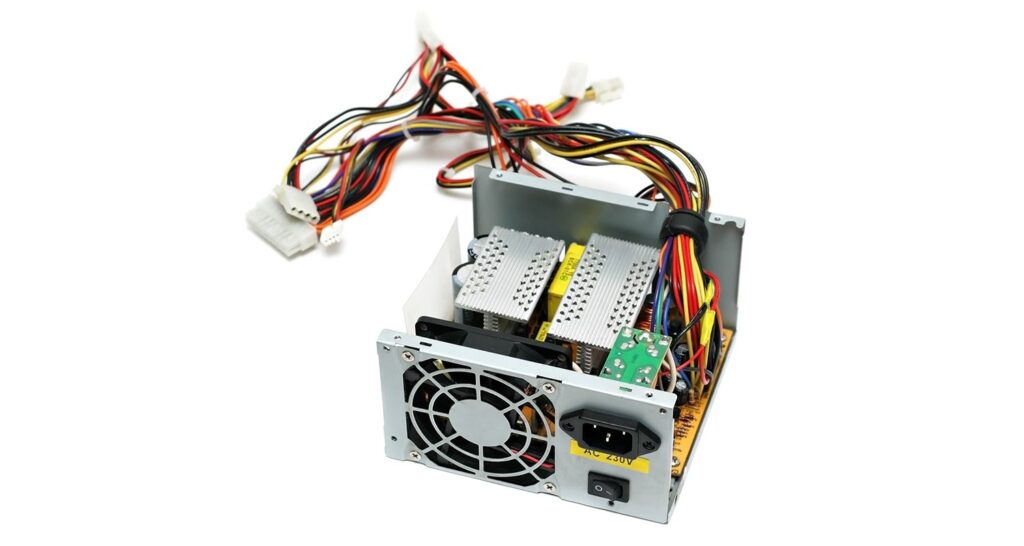
Don’t overlook your power supply (PSU). A good power supply provides at least three different DC voltages for the various components. For most gaming computers a minimum of 500W is required for everything to work, but pay close attention to component specifications. If you have selected components with higher power consumption, do the math and make sure your power source is adequate.
Monitor
If you are looking to play in 4K, you should pay special attention to your monitor. Get the highest refresh rate you can find within your budget (minimum 75Hz), as this indicates the number of frames that will be displayed per second (75Hz for maximum 75fps, 120Hz for 120fps, etc. .). There is no point in paying for an expensive computer capable of running 1080p at 120fps if your monitor is the limiting factor and it doesn’t display above 60Hz.
If you want to get a larger monitor, pay attention to pixel density. Your OS may start to have magnification issues with higher pixel density. Microsoft ® Windows ®, for example, has a maximum limit of 200 dpi.
Finding the correct specifications to assemble your gaming computer is part of the fun.